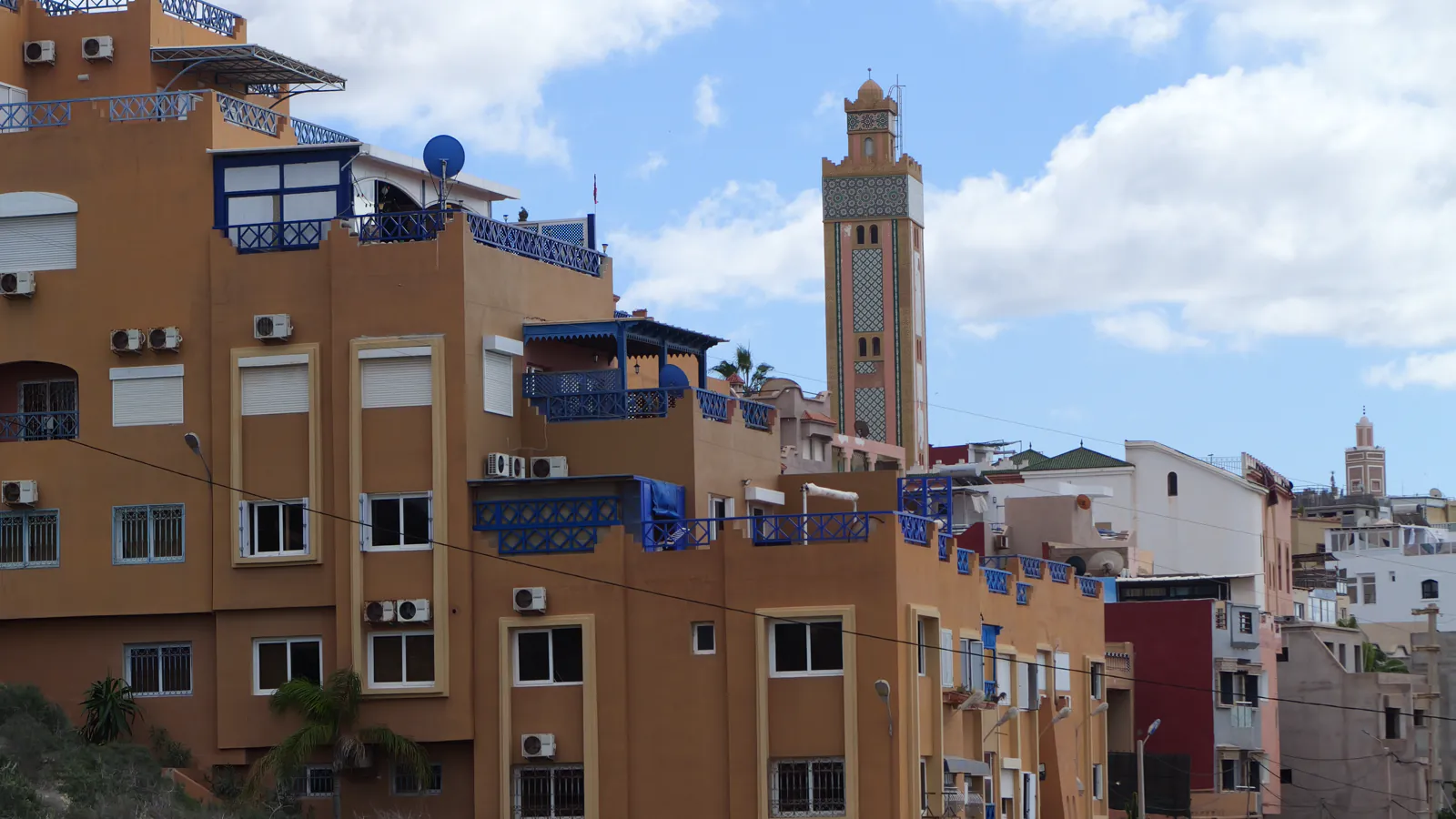
Taghazout is the famous one: cafés, surf shops, lively alleys, terraces looking over the ocean. Tamraght has a softer rhythm: more residential, quieter, and easier for beginner surf beaches.
For a first trip alone, a retreat or a week to breathe: Tamraght. For a coffee, a little movement and that well-known surf buzz: Taghazout, just a few minutes away.
The first time someone asked me “Tamraght or Taghazout?”, I answered like a classic guide: distance, beaches, cafés, surf spots. Today my answer is different: the real question is not where should you go… but what kind of energy do you want to wake up in every morning?
What are the two villages really like?
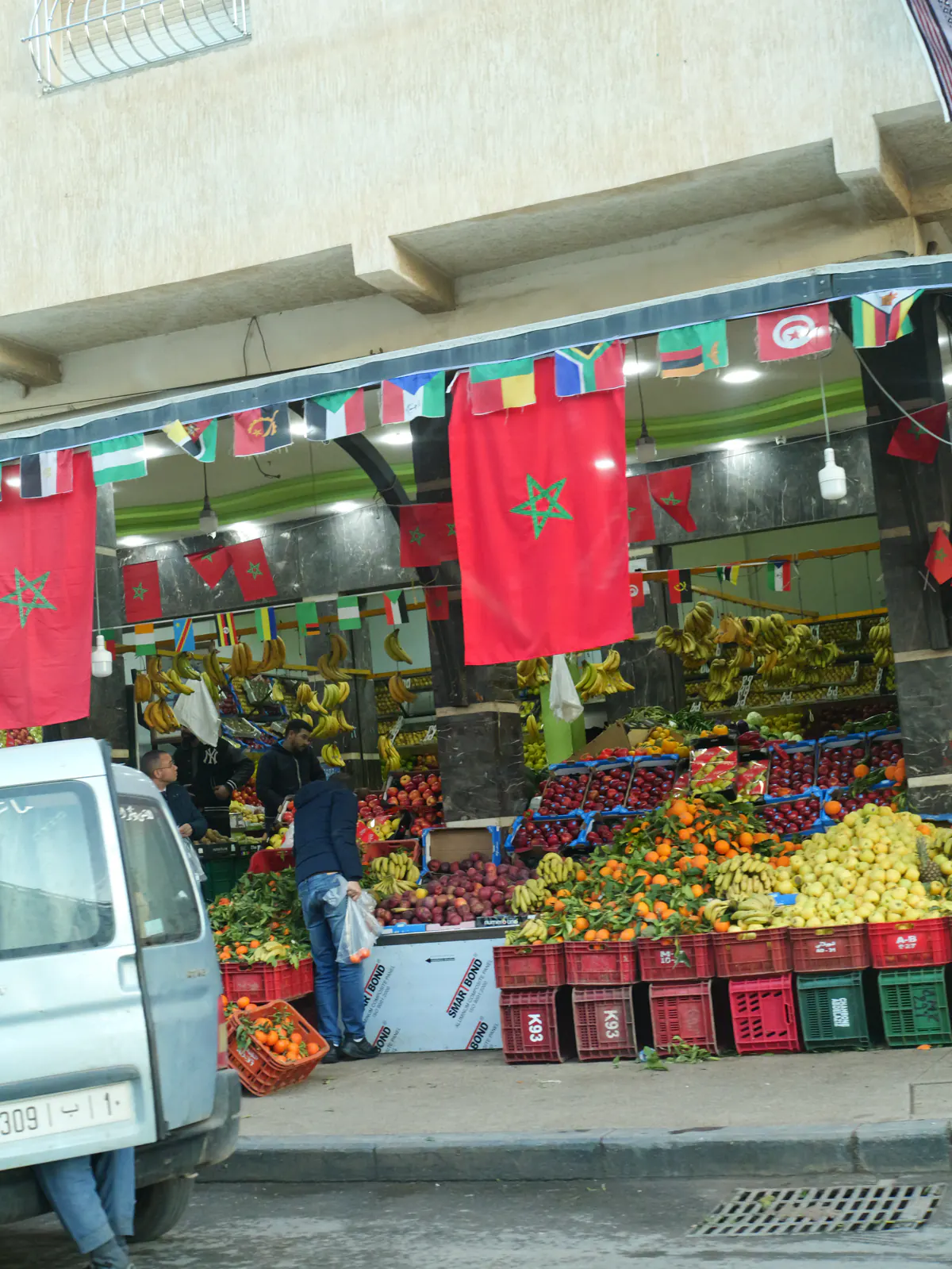
Taghazout is the extrovert of the family. A former fishing village turned into one of Morocco’s surf symbols, it mixes alleys full of boards, busy cafés, wax shops and terraces facing the ocean. It is lively, colourful, sometimes a little intense, exactly what people come to feel there.
Tamraght is the quieter sister. A human-scale village with around 5,000 inhabitants, sand-coloured houses, prickly pear cactus, “Banana Village” energy, and most importantly: beginner beaches at the foot of the village. In the evening, what you hear is the ocean and the call to prayer in the distance. Here, you do not really “go out” you go up to a rooftop.
The scene that made me choose: a Tuesday in November, 6:30 pm, Devil’s Rock. Half the village, surfers, families, cats included, was sitting on the sand facing the sunset in a cinema-like silence. Nobody really knew each other, everybody greeted each other.
What does a day here look like?
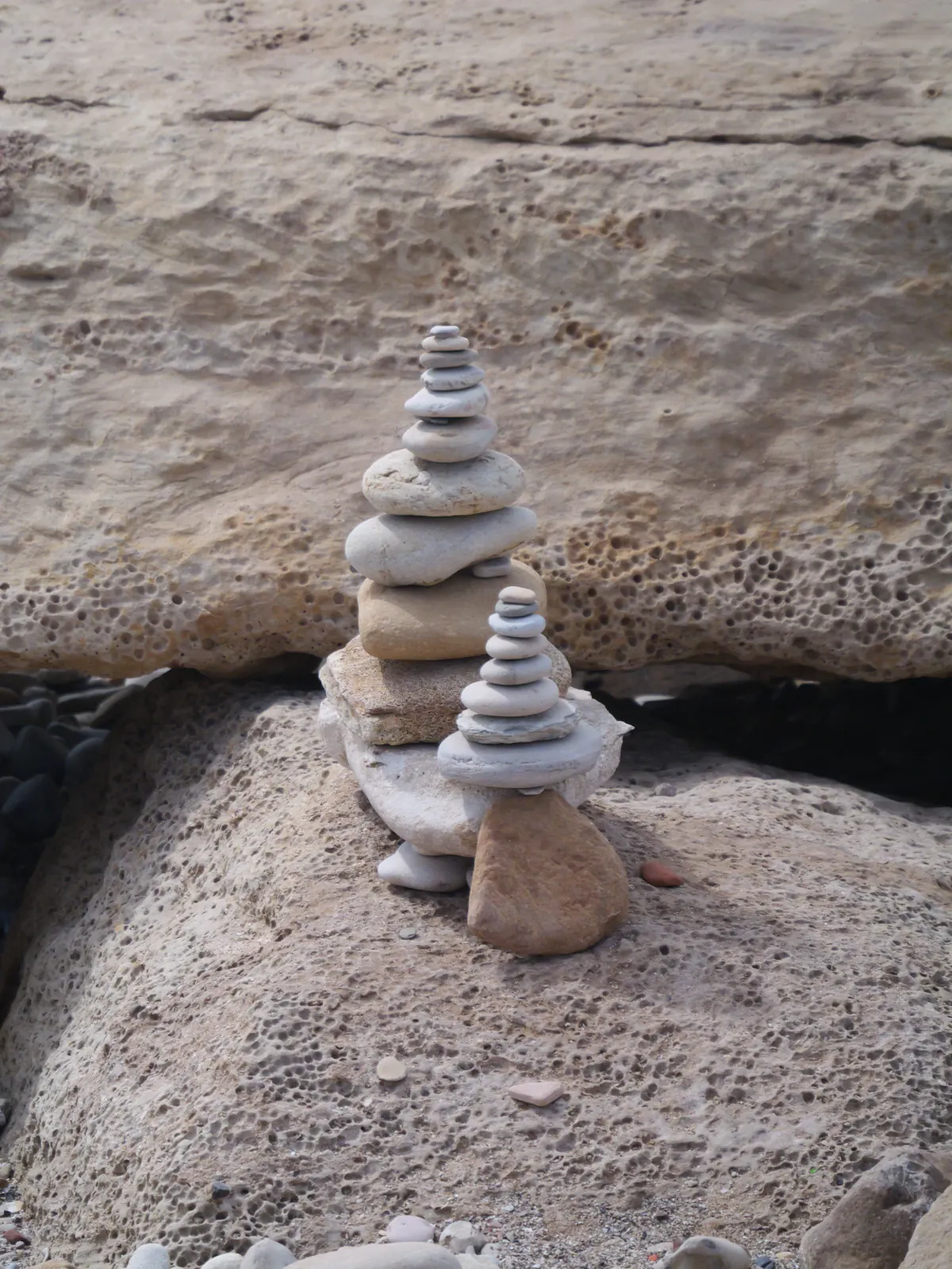
Sunrise. The light is golden, the ocean looks almost oily. It is time for rooftop yoga and the first surf sessions.
Morning. Breakfast stretches out: msemen, amlou, the Moroccan “Nutella” made with argan, almonds and honey, fruit, tea.
Late morning. Surf, a walk on the beach, or absolutely nothing.
Midday. Tajine. Nap. Both.
Afternoon. The village moves down towards the beach like one living organism.
Sunset. Dinner on a rooftop, the sky turning from pink to navy, conversations that last.
You will notice there is no “and then, the club” line. That is a village choice. Honestly, after two surf sessions, your body will vote the same way.
What is the real budget on site?
Prices observed locally:
- Coffee / tea on a terrace: 20–30 dirhams (€2–3)
- Tajine or daily dish: 50–90 dirhams (€5–9)
- Smoothie bowl on the Taghazout side: 50–70 dirhams, Instagram inflation exists everywhere
- Taxi Tamraght ↔ Taghazout: 10–20 dirhams in a shared taxi, around 50 dirhams private
- Board + wetsuit rental: 100–150 dirhams for a half-day
- Local hammam: 50 dirhams, the real one; 150–300 dirhams for the spa version
The useful takeaway: daily life in Morocco is still very accessible compared with many European destinations, especially if you choose local places.
Which beach is best for what?
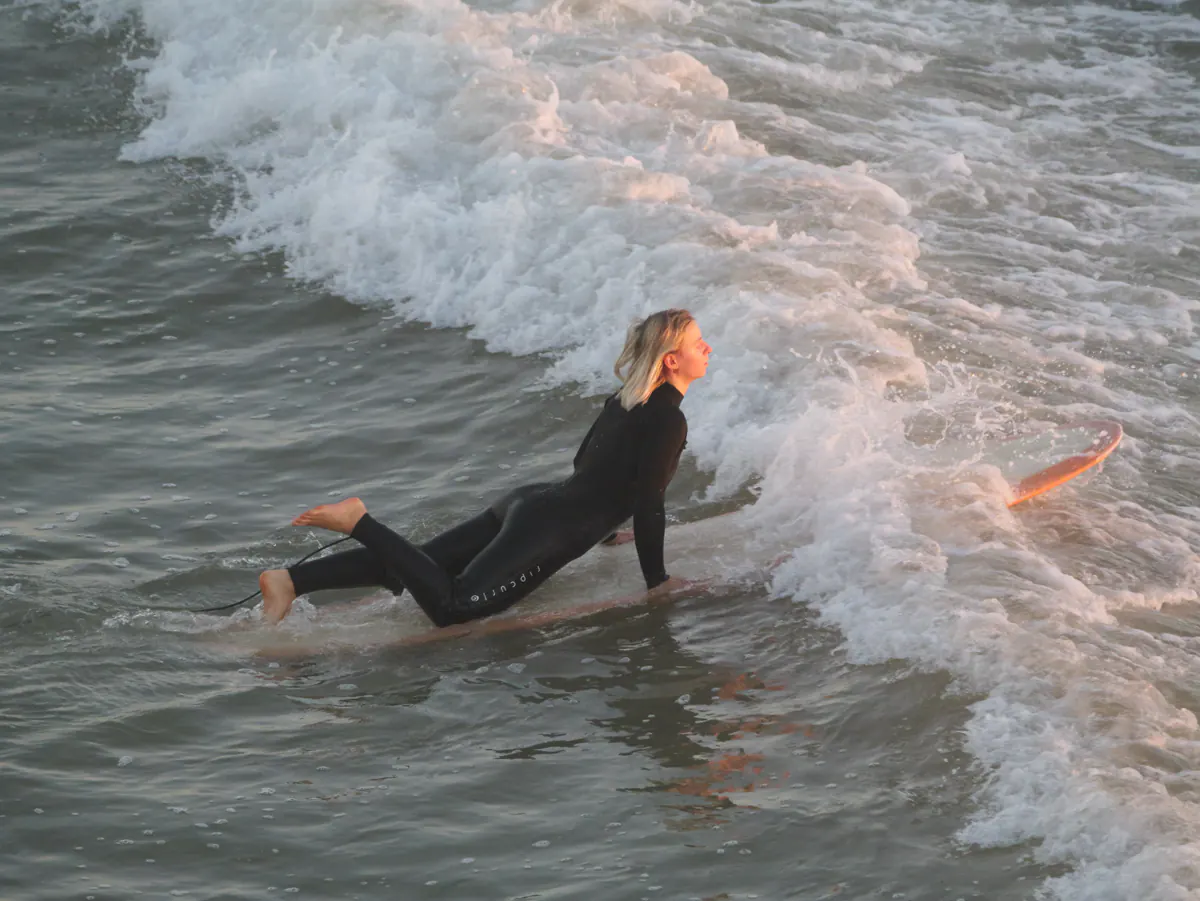
- Devil’s Rock (Tamraght): the learning beach. Long whitewater, sandy bottom, friendly atmosphere. Walkable from the village.
- Banana Beach (Tamraght): wide, family-friendly, perfect for long walks and gentle beginnings.
- Crocro / Panorama (Tamraght/Taghazout): more intermediate, beautiful evening light.
- Anchor Point (Taghazout): the mythical spot, best watched from the cliff with a tea for now, surfed in a few years. That is part of the pleasure.
Spot-by-spot details, level by level, are in our guide to the bay’s surf spots.
When should you come?
- Mid-September to April: the main season. Regular swell, 20–25°C during the day, golden light. Also retreat season.
- May–June: soft, calm, smaller waves, perfect for learning without crowds.
- July–August: hot, smaller waves, Moroccan family beach atmosphere.
- Good to know: during Ramadan, the village is slower in the daytime and comes alive after sunset. Different, not less beautiful. Tourist restaurants remain open.
What do both villages have in common?
They are used to travellers. Fifteen years of international surf have passed through this bay: a woman alone with a suitcase is not an event for anyone. Shopkeepers know your name by the second day, the board-rental guy keeps “your” board aside, and the café waiter remembers your order. It is a kind of luxury no five-star hotel can really manufacture: the feeling of being recognised somewhere, thousands of kilometres from home.
FAQ
Tamraght if you want calm, beginner beaches within walking distance and a retreat atmosphere; Taghazout if you want lively cafés and shops. The two villages are 7–10 minutes apart by taxi.
Yes: shared taxi for 10–20 dirhams or private taxi for around 50 dirhams, running throughout the day. You can also walk along the beach at low tide if you are motivated, around 1 hour, beautiful.
Yes, it is a calm residential village with lit main streets. Basic precautions are enough; see our solo female travel in Morocco guide.
Excluding accommodation: around 15–25 € per day if you eat locally, more if you add daily smoothie bowls and spa treatments.
October to April for regular swell; May and June for quieter learning conditions with smaller waves.
In Aourir, 5 minutes away, you will find banks, pharmacies and a supermarket. Taghazout has ATMs; Tamraght has very few, so bring cash.
Are you probably more of a Tamraght person?
Looks like you might be. MORE Lodge is a premium house in Tamraght: small groups, homemade Moroccan food, beginner surf 10 minutes on foot from Devil’s Rock, and a rooftop where sunset does the show every evening. Write to us on WhatsApp, we answer every question.